
- OUR CASES
-
Join Us
- Current Issues
-
About
When challenging a government regulator becomes a risk
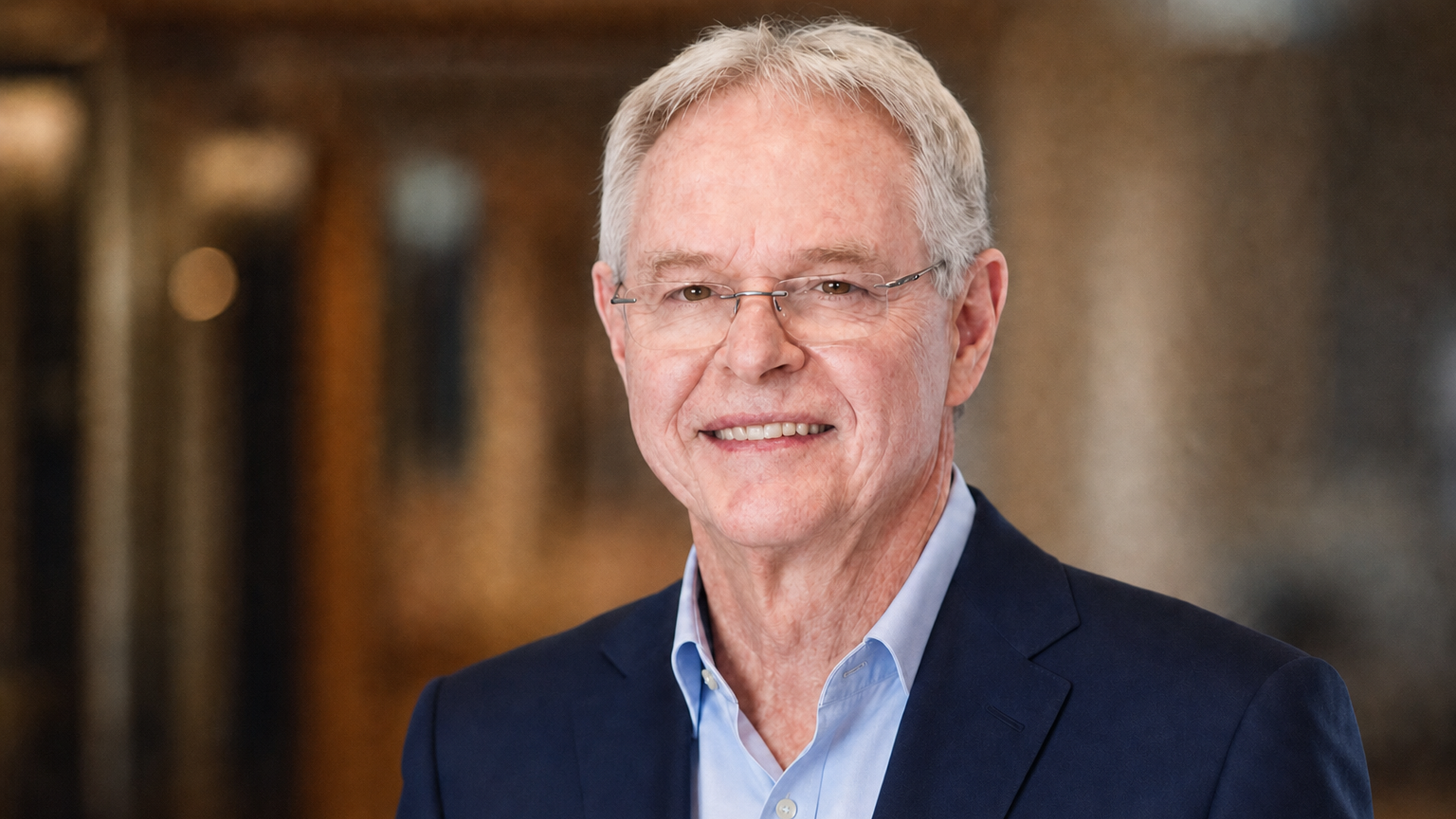
Gary Geelhoed wrote a letter challenging the Australian Health Practitioner Regulation Agency over its treatment of psychiatrist Dr Andrew Amos.
A few days later, AHPRA told him a complaint had been filed against him six months ago.
Professor Geelhoed’s letter, submitted on July 16, 2026, called on AHPRA to reconsider its February decision banning Amos from public commentary on the treatment of gender dysphoria in children.
He argued that “silencing experienced clinicians like Dr Amos through regulatory sanctions does a disservice to public discourse, clinical autonomy, and, most importantly, vulnerable young patients”.
The complaint that surfaced days later was not one AHPRA had been urgently pursuing. An official phoned Geelhoed – apologetically, The Australian reported – to say an anonymous complaint, lodged in February, had only now been forwarded his way.
The anonymous complainant objected to three things: his description of double mastectomies on minors as “mutilating surgery”, his characterisation of the treatment approach as a scandal, and his framing of the affirmative model as ideologically rather than evidentially driven. His comments, AHPRA said, were “reasonably likely to damage the reputation of the medical profession”.
Professor Geelhoed is a former Chief Medical Officer of Western Australia and former director of emergency medicine at Perth’s Princess Margaret Hospital for Children.
In January 2026, he wrote that no 13-year-old can understand the loss of fertility, the loss of sexual function, or what a shortened lifespan means. He described the treatment approach as “the biggest medical scandal of my time in medicine”.
He is not alone in that view. The Cass Review – the UK’s independent evaluation of gender services for children – found the evidence base for hormonal interventions in minors “remarkably weak”. Sweden, Finland, and Norway have since restricted or banned those interventions entirely.
In Australia, raising the same concerns now carries regulatory risk.
The Australian asked AHPRA whether there was a connection between Professor Geelhoed’s July 16 challenge and the activation of a complaint dormant for six months. AHPRA did not answer.
Geelhoed is retired, so losing his medical registration is for him not a significant a cost compared to the chilling effect that regulatory action has on practising clinicians weighing whether to speak.
HRLA represents many clients who face similar challenges. Jasmine Sussex and Lyle Shelton have each spent years defending against vilification complaints. Jillian Spencer recently settled with her former employer, but only after years of legal proceedings after she was disciplined for speaking against an automatic “affirmative” approach to gender confused children. And Dr Jereth Kok had his medical licence suspended, was investigated by AHPRA, and eventually lost in the Victorian Civil and Administrative Tribunal due to his social media posts, including those criticising transgender ideology.
Even though not all complaints ultimately succeed, those who disagree with the prevailing ideology often stay silent. The threat of being taken to court or investigated by regulators is often too great a risk.
HRLA is here to defend those who speak up anyway.
Do you like this page?