
- OUR CASES
-
Join Us
- Current Issues
-
About
AHPRA silences psychiatrist for questioning gender medicine
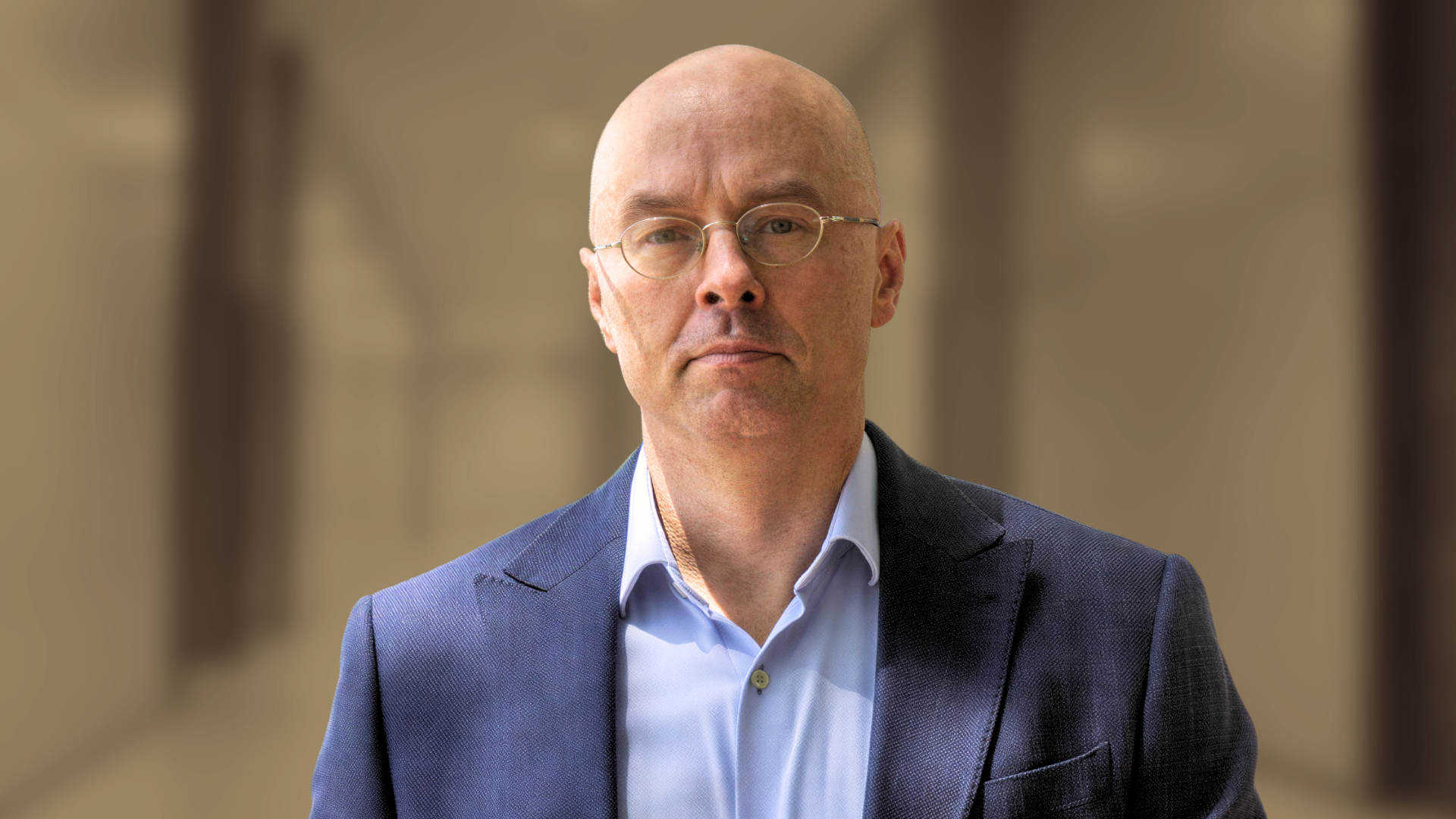
The Medical Board of Australia has imposed conditions on the registration of Queensland psychiatrist Dr Andrew Amos, banning him from posting on social media about gender medicine, gender identity, or transgender persons.
He is also barred from any role involving direct or indirect clinical patient contact.
These are not conditions imposed after a finding of misconduct. They are “immediate action” restrictions, imposed before any full investigation has concluded. AHPRA’s power to take such action requires only a “reasonable belief” that there may be a serious risk to the public.
The board does not need to establish all the facts, and an investigation may take up to two years.
The practical effect is stark. Dr Amos, a senior psychiatrist who has published peer-reviewed critiques of the gender-affirming model of care in Australasian Psychiatry, has been stripped of his capacity to practise clinically and forbidden from participating in public discussion on the very subject he has researched and published on. This is prior restraint in its most direct form, applied not by a court but by a regulatory body exercising administrative power.
Dr Amos has argued in academic publications that gender-affirming care is incompatible with evidence-based psychiatric practice. He has questioned whether the model allows psychiatrists to properly assess whether mental illness may be contributing to a patient's gender distress. These are legitimate clinical concerns, grounded in published research and shared by clinicians internationally.
The complaints triggering AHPRA’s action related to social media posts made by Dr Amos in which he questioned gender-affirming treatment and was alleged to have “misgendered” a UK academic.
The proportionality of AHPRA’s response deserves scrutiny. Queensland has paused the initiation of puberty blockers and cross-sex hormones for minors in the public health system until 2031, pending the results of a UK clinical trial. The Queensland government’s independent review, led by Professor Ruth Vine, found the evidence base for these treatments in young people to be limited. How can it be proportionate for a regulator to discipline a psychiatrist for raising concerns that his own state government now shares?
The chilling effect is not hypothetical. Dr Jillian Spencer, a Queensland child psychiatrist and HRLA client who has herself faced professional consequences for questioning gender-affirming practices at the Queensland Children’s Hospital, has spoken publicly about the impact of AHPRA’s action against Dr Amos.
“Within our profession, there has been absolute suppression of any capacity to debate the issue in medical professional forums,” Dr Spencer told The Australian.
“And people say to us, this is a really sensitive and important debate, it shouldn't happen on social media or in the media.
“But what they’re ignoring is that we have no capacity to have the discussion within our profession.”
That statement goes to the heart of the problem. If professional forums refuse to host the debate, conferences exclude dissenting papers, and journals block publication by critical reviewers, clinicians are left with no avenue to raise concerns. When regulators then punish them for raising those concerns publicly, the profession is silenced entirely.
AHPRA’s regulatory framework exists to protect the public from genuine clinical harm. It was not designed, and should not be used, to enforce conformity on contested questions of medical science and public policy. A regulator that treats professional dissent as a threat to public safety is no longer acting as a safeguard. It is acting as a censor.
At HRLA, we continue to defend the right of medical professionals to speak with conscience and professional integrity. We stand with Dr Spencer and all clinicians who face professional consequences for expressing an honestly held opinion, especially on a matter of legitimate scientific controversy.
The proper response to contested medical questions is open inquiry, not regulatory suppression.
Do you like this page?