
- OUR CASES
-
Join Us
- Current Issues
-
About
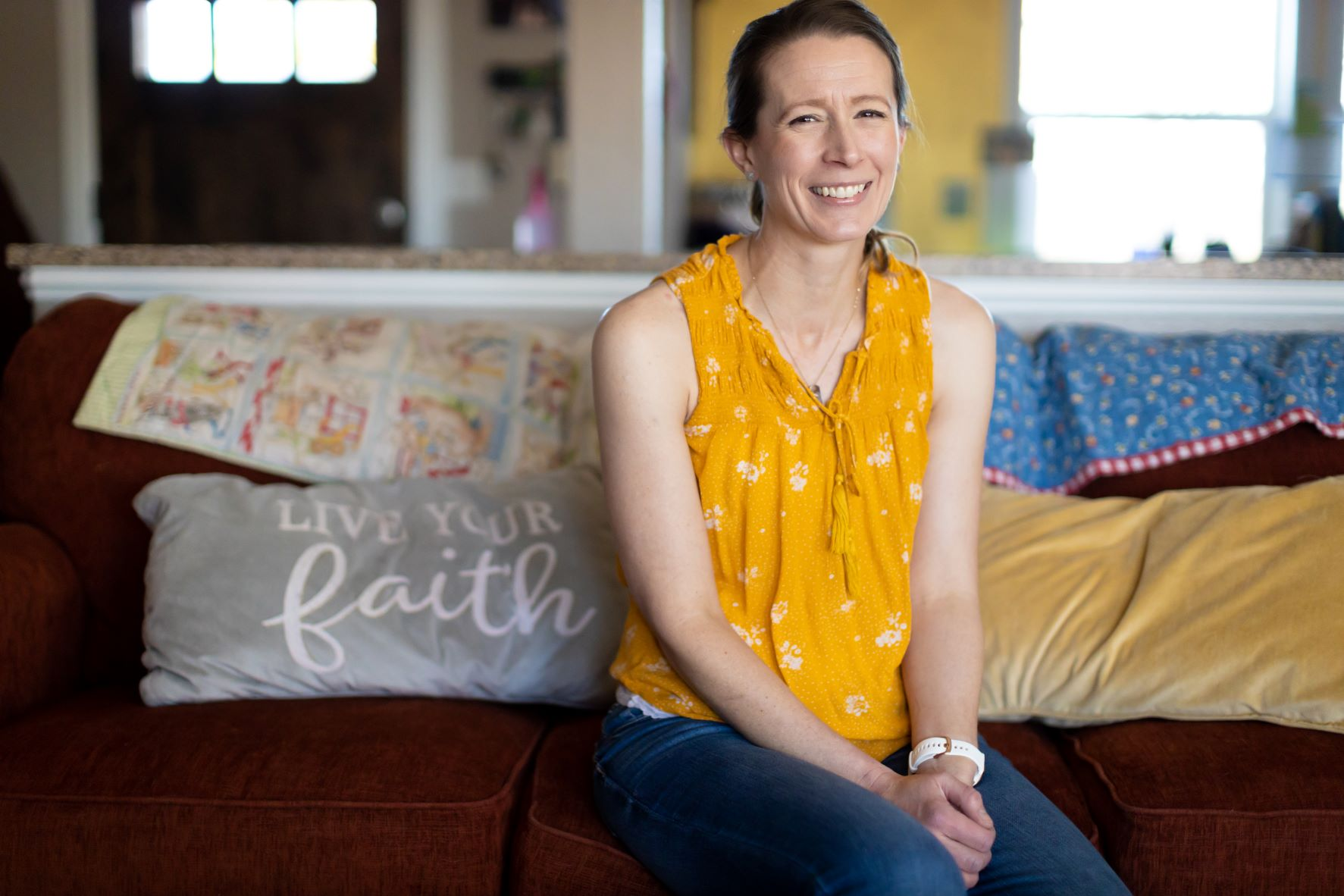
Christian mother barred from adopting wins religious freedom settlement
A Christian mother who was prevented from adopting because of her religious beliefs has secured an important victory for religious freedom in the United States.
In a case similar to those HRLA has seen here in Australia, Jessica Bates is a widowed mother of five from Oregon who wanted to open her home to children in foster care. But during the adoption process, Oregon officials questioned Bates about her Christian beliefs on sexuality and gender.
The Oregon Department of Human Services ultimately denied her application after she said that, because of her faith, she could not agree to certain requirements concerning sexual orientation and gender identity.
According to Alliance Defending Freedom (ADF), Bates nevertheless made clear that she would love and accept any child placed in her care.
ADF took up Bates’ case in 2023, arguing that Oregon could not force prospective parents to abandon or contradict their religious convictions as the price of participating in the adoption system.
In July 2025, the US Court of Appeals for the Ninth Circuit ruled that Bates was likely to succeed on her First Amendment free speech and religious liberty claims. Then, in September 2026, Oregon officials agreed to a court order allowing Bates to seek a licence to adopt children from foster care without violating her religious beliefs.
The State also agreed that Bates was entitled to recover legal fees and costs, with the amount to be determined.
The case has striking similarities to cases HRLA has fought here in Australia.
Byron and Keira Hordyk were rejected as prospective foster carers in Western Australia after being questioned about their Christian beliefs on sexuality and gender. With HRLA’s assistance, they challenged that decision, and the State Administrative Tribunal ultimately found they had suffered unlawful religious discrimination.
More recently, Catholic couple Melissa and Adam Abbott were initially rejected from caring for the biological brother of one of their adopted children following concerns about their Christian beliefs.
After HRLA became involved, the couple were eventually granted permanent, full-time kinship care.
These cases raise an important principle: people of faith should not be excluded from caring for vulnerable children simply because they hold traditional religious convictions.
Religious freedom means more than being free to worship privately. It means Australians should be able to live out their faith, serve their communities and open their homes to children in need without being subjected to an ideological test.
Jessica Bates’ victory is an encouraging reminder that those freedoms are worth defending.
Do you like this page?