
- OUR CASES
-
Join Us
- Current Issues
-
About
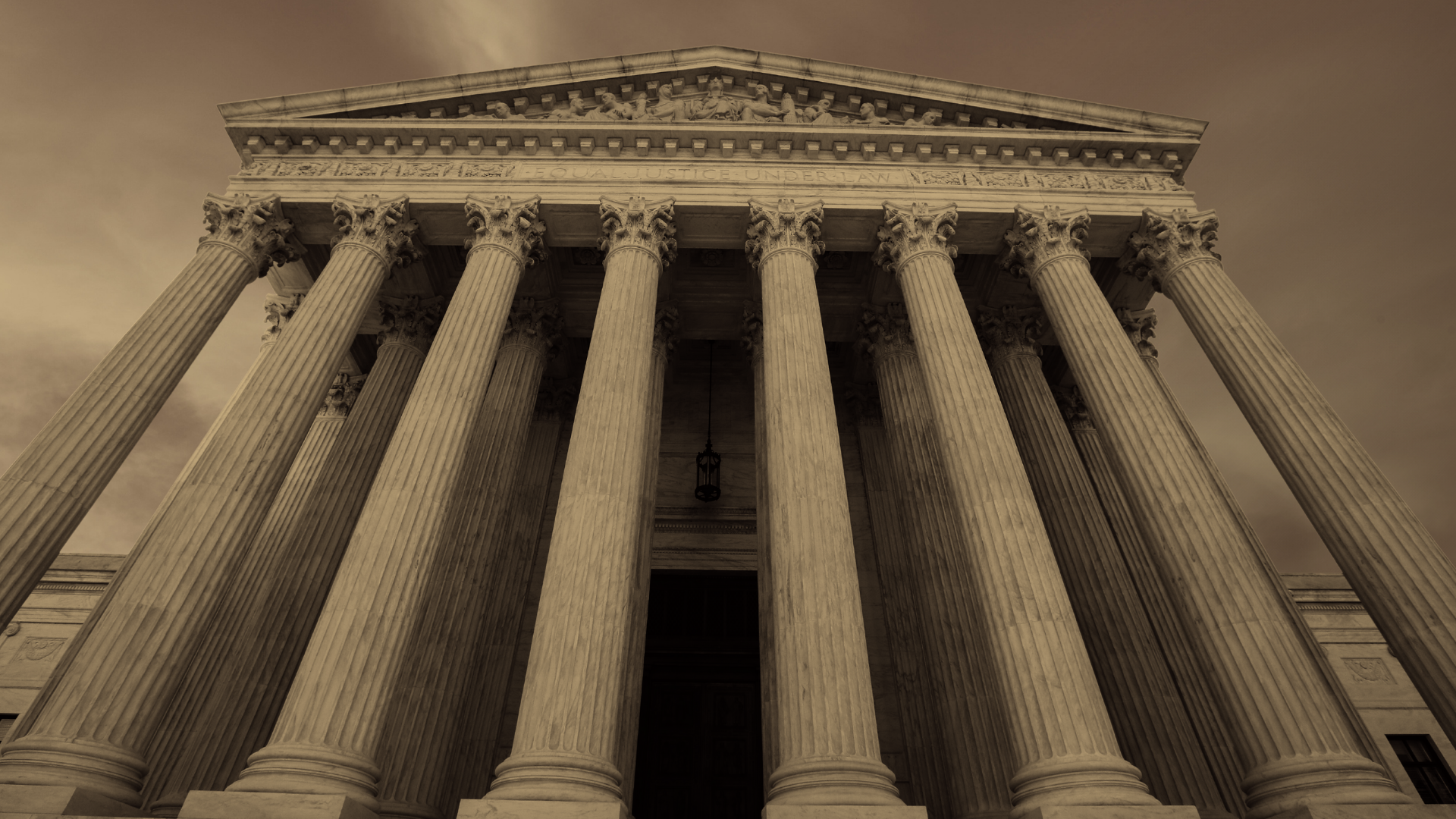
US Schools to take religious discrimination case to the Supreme Court
A core element of freedom of religion is that institutions of faith are able to teach their faith to the next generation.
Religious schools must be allowed to retain their unique religious character, including hiring staff that share their creed. Parents, too, have the right to educate their children in accordance with their beliefs.
HRLA is committed to helping schools protect their ethos and employ staff who support that ethos.
That’s why we are keeping a close eye on a case in the United States in Colorado, where the Catholic Archdiocese of Denver and a group of Catholic schools are asking the Supreme Court to determine if their religious freedom rights have been violated by the Colorado Universal Preschool Program (UPK).
The UPK law was passed in 2022 and it provided for free Preschool for children at participating schools. However, a number of schools were excluded from the program and filed suit against the state citing religious discrimination.
The parishes claimed that they were barred from the program because the Colorado Department of Early Childhood and Colorado's Universal Preschool Program took issue with their preference for admitting Catholic families and maintaining religious expectations of their staff, including in matters of sexuality.
The exclusion was upheld in a district court so now the Archdiocese and schools are going to the highest court of the land.
This would not be the first time the Supreme Court has ruled on religious freedom. The Becket Fund for Religious Liberty, representing the Archdiocese, notes that the Court has:
… held that states cannot exclude religious schools from public benefits because of their religious exercise. Becket is asking the Court to stop Colorado’s attempt to dodge this bedrock precedent and instead ensure that universal preschool in Colorado truly is universal.
These schools have a clear right to maintain their religious character and parents have a right to a school that they know will not indoctrinate their kids with values they do not share.
There is no religious freedom when the teaching of sincerely held religious beliefs is discriminated against by the state, and this case will tell us how well that freedom is protected.
Do you like this page?