
- OUR CASES
-
Join Us
- Current Issues
-
About
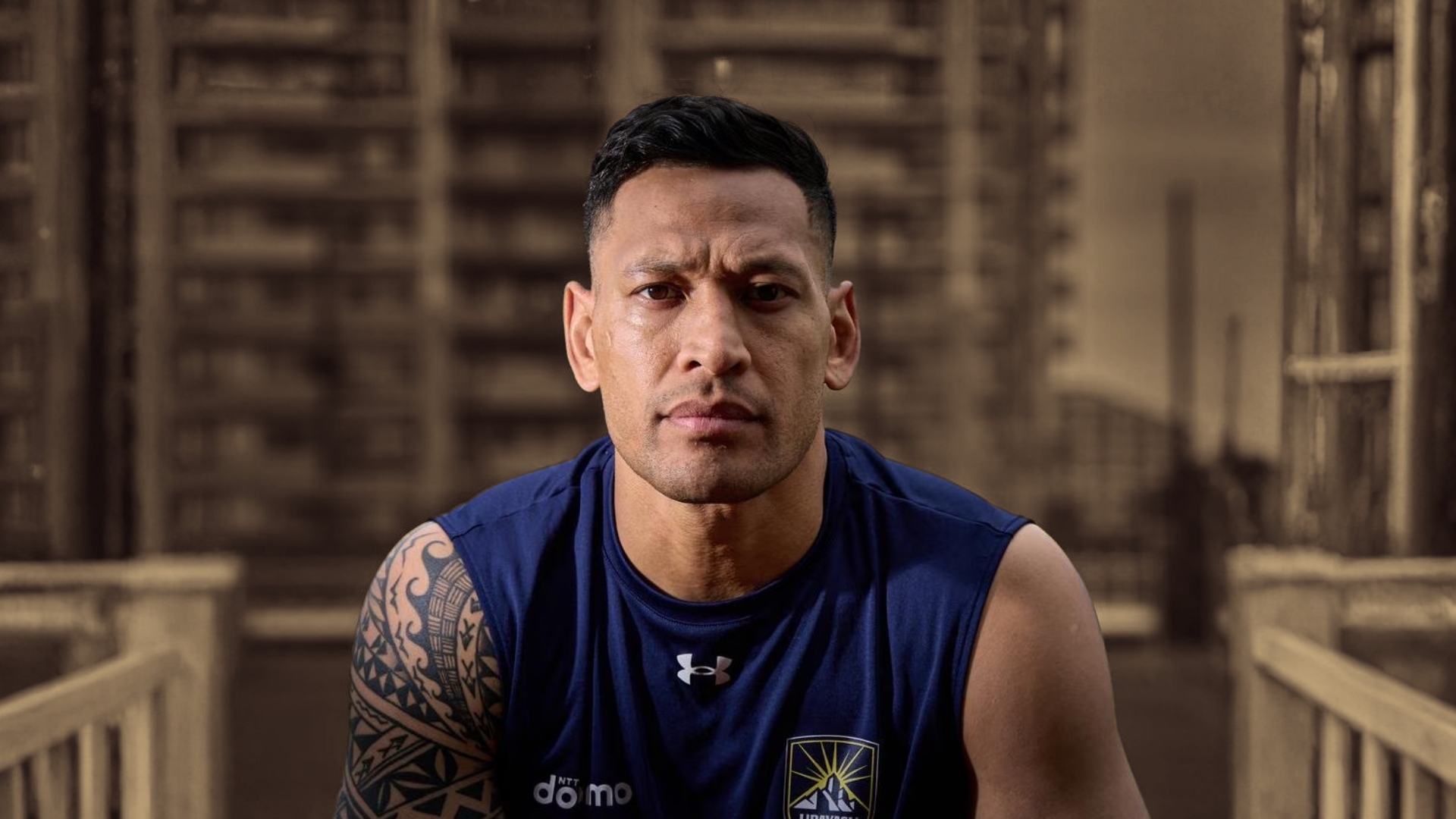
The NRL’s ‘inclusion policy’ is a problem for Christians
Israel Folau last played in the NRL in 2010. He left the game as one of its most gifted finishers, switched codes, and became one of the world’s most celebrated rugby union players.
And although he has committed no criminal offence, no tribunal has found him in breach of any enforceable legal obligation, the NRL does not want him back.
Why? This week, Folau’s wife Maria confirmed publicly what had been reported: that her husband had been in talks with the Wests Tigers and their coach Benji Marshall, that a train-and-trial contract was within reach, and that the move collapsed after an ARL Commissioner made clear he would not support Folau’s return. The Tigers’ board, unwilling to test the NRL’s resolve, declined to lodge a contract.
The stated reason, according to Maria Folau, was that her husband’s return would be a problem for “inclusiveness” and would be “a bad look”.
This is not the first time. In 2021, St George Illawarra ended talks with Folau under similar pressure. The pattern is consistent.
Folau’s response was pointed: “The double standard from the NRL is crazy,” he said. “The game talks about inclusion, yet my Christian beliefs were said to be a problem and didn’t align with their values. Players who have committed actual offences have been welcomed back. Make it make sense.”
It is a reasonable question. The NRL has welcomed back players with actual conduct findings against them – assault, harassment, drug offences – through its established player welfare and return-to-play processes.
Those processes exist, appropriately, to distinguish between the conduct at issue and the person’s capacity to play. What similar process has been applied to Folau? None has been publicly identified. He has not been charged, found guilty of anything, or even formally assessed.
The opposition to his return appears to rest entirely on the content of his religious beliefs as expressed on social media – beliefs that have never been the subject of any adverse legal finding in Australia.
HRLA has followed Folau’s situation since 2019, when Rugby Australia terminated his contract following a social media post citing Biblical Scripture.
HRLA has noted that the legal framework governing religious expression in the workplace is inadequate – that employers retained broad power to punish employees for private religious speech without the protections that would apply to other forms of expression.
That inadequacy has not been remedied. Australia still has no Religious Discrimination Act. The patchwork of state-based protections remains inconsistent and, in several jurisdictions, entirely silent on religious belief in employment.
The circumstances Folau finds himself in is not new, and it is not unique to sport. It is the same pattern HRLA documents across workplaces, professions, and institutions: orthodox Christian belief treated not as a protected characteristic deserving equal standing, but as a reputational liability to be managed.
Inclusion, applied selectively, is not inclusion.
HRLA continues to advocate for the freedoms of all Australians, including their right to freedom of religion, speech, and conscience, so they can live speak the truth and live faithfully.
Do you like this page?