
- OUR CASES
-
Join Us
- Current Issues
-
About
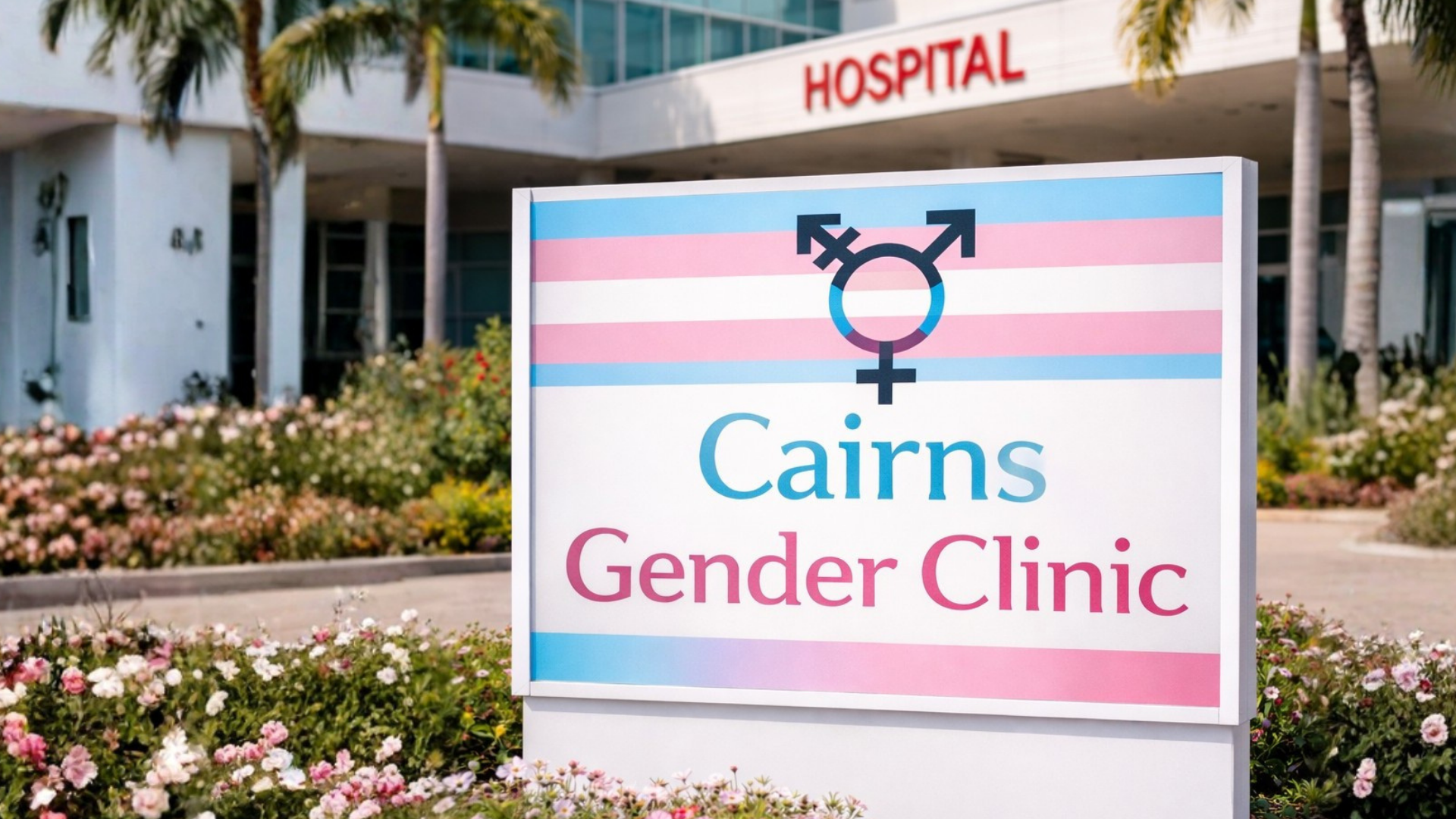
Scathing review of Cairns gender clinic
A newly-released review of the Cairns Hospital paediatric gender service has raised serious concerns about the treatment of vulnerable children and the clinical culture surrounding youth gender medicine in Australia.
The Queensland Health investigation found troubling shortcomings in assessment practices, oversight, and clinical governance at the paediatric gender clinic at Cairns and Hinterland Hospital. Among the most concerning findings were reports that children as young as 12 were prescribed puberty blockers without adequate multidisciplinary assessment or robust psychological evaluation.
While some defenders of gender medicine may seek to characterise Cairns as an isolated or poorly managed service, the broader significance of the report should not be overlooked. The findings add to a growing body of international and domestic evidence calling for greater caution, stronger safeguards, and more rigorous clinical standards when dealing with children experiencing gender distress.
Across the Western world, medical authorities and courts are increasingly scrutinising the “affirmation-first” model. Reviews in the United Kingdom, Scandinavia, and parts of the United States have already led to tighter restrictions on puberty blockers and cross-sex interventions for minors. The Cairns report now places Australia squarely within that global reassessment.
The developments are particularly striking given the treatment of clinicians who have urged caution. For years, Queensland child psychiatrist Dr Jillian Spencer has advocated for a careful, holistic approach to children presenting with gender distress. Rather than being welcomed as part of a legitimate clinical debate, she has faced disciplinary action and professional pressure.
The Cairns findings underscore why open medical discussion is so important. When complex and evolving areas of medicine become insulated from scrutiny, the risk of harm increases – especially where children and irreversible interventions are involved.
This is not merely a question of process at a single clinic. It raises deeper issues about whether clinicians feel free to exercise independent professional judgment, whether parents are receiving balanced information, and whether Australia’s regulatory environment allows genuine debate about the best interests of vulnerable young people.
At HRLA, we continue to support professionals who speak carefully and conscientiously in contested areas of practice. Protecting freedom of conscience and evidence-based care is essential to maintaining trust in the medical system and safeguarding children’s wellbeing.
The Cairns review should prompt serious reflection across Australia’s health sector. Robust safeguards, transparent oversight, and open clinical debate are not obstacles to good medicine – they are its foundation.
Do you like this page?