
- OUR CASES
-
Join Us
- Current Issues
-
About
Routine name check ruled unlawful discrimination in NSW
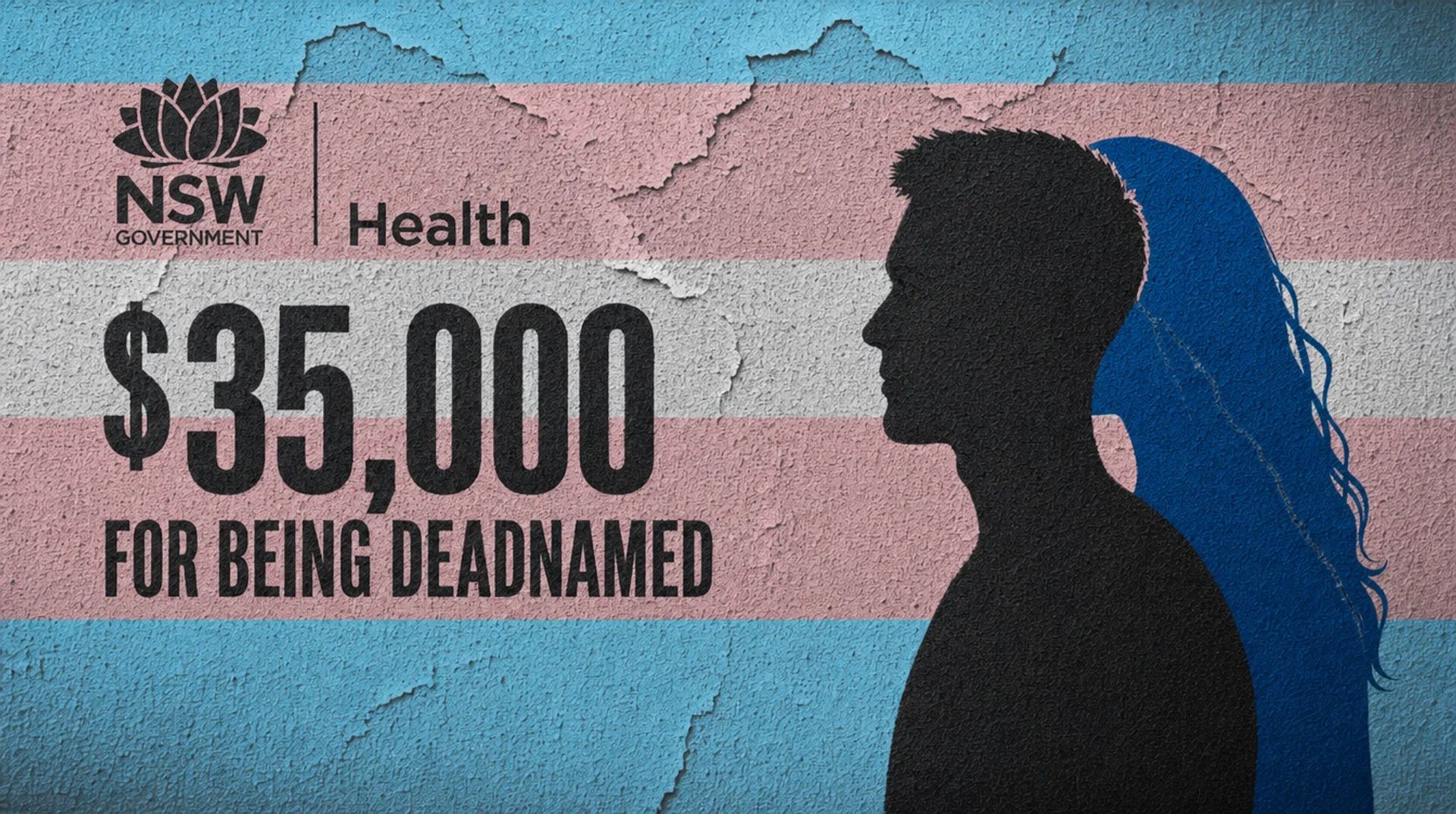
A routine employment background check has resulted in NSW Health being ordered to pay $35,000 to a transgender-identifying employee in a decision that raises concerns about where anti-discrimination law is heading.
The case involved a NSW Health employee, known as HGY, who applied for an internal position. As part of standard recruitment checks, a staff member asked HGY to confirm any previous names.
HGY, a woman who now identifies as a man, argued that providing those names would reveal her transgender status to colleagues and cause humiliation and distress.
The NSW Civil and Administrative Tribunal agreed, finding that the requirement amounted to unlawful indirect discrimination under the Anti-Discrimination Act 1977 (NSW).
The ruling is narrow in its scope and potential implications. As Associate Professor Neil Foster has explained, the Tribunal did not find that simply using or asking about a person’s former name is automatically unlawful.
Rather, it found that requiring disclosure in the circumstances of this particular recruitment process was unreasonable, particularly because NSW Health already held the relevant information centrally.
That narrow scope also limits the decision’s immediate significance for churches and Christian organisations. Foster notes that section 56 of the NSW Act provides exemptions for religious bodies acting in accordance with their doctrines, tenets and beliefs.
Nevertheless, the decision raises a broader concern.
Former legal names are facts about a person’s history, and there are legitimate reasons organisations may need access to them. Background checks can be particularly important for positions involving children and vulnerable people.
NSW Health argued that confirming former names formed part of its checking processes for precisely these reasons.
The concern is the growing potential for anti-discrimination law to restrict ordinary speech and institutional practices where they conflict with claims based on gender identity.
We have seen similar tensions elsewhere.
Psychiatrist Dr Jillian Spencer spent years in dispute with Queensland Children’s Hospital after raising concerns about treatment for children with gender dysphoria, including the requirement to use “preferred pronouns”, before the dispute was settled this year and disciplinary proceedings discontinued.
In Giggle v Tickle, the Full Federal Court found that excluding a transgender-identifying man from a women-only app amounted to discrimination on the basis of gender identity. And in July, the NSW Supreme Court largely dismissed Kirralie Smith’s appeal against findings arising from her public comments about male players in women’s football.
Each case turns on its own facts and legislation. But together they demonstrate an important question for Australia: how should anti-discrimination protections be balanced against other fundamental rights? Increasingly, anti-discrimination protections are given priority over freedom of speech, conscience, and truth itself.
Do you like this page?