
- OUR CASES
-
Join Us
- Current Issues
-
About
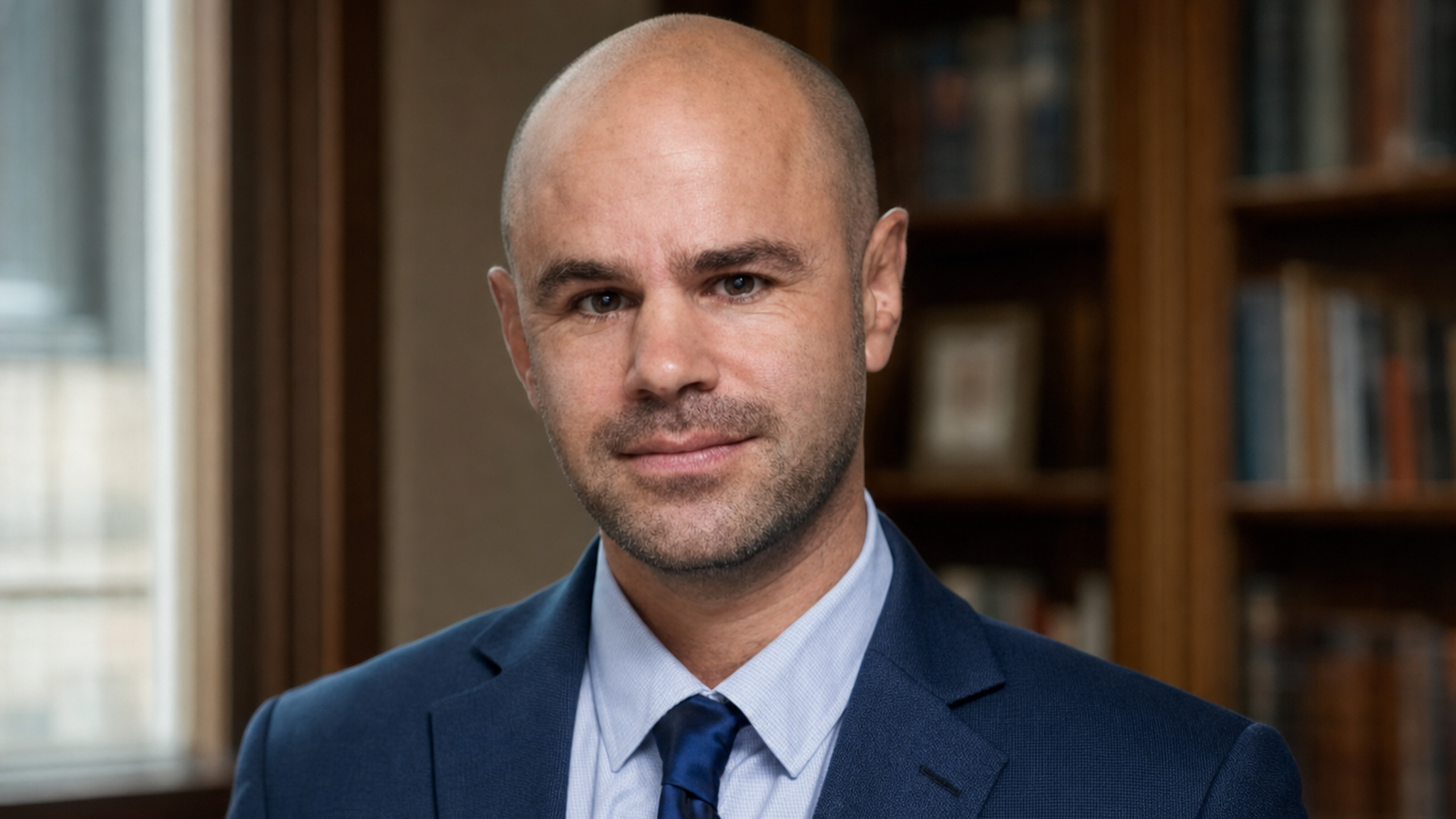
Matthew Squires gets his day in court
A trial date has been set in the matter of Matthew Squires – one of the most significant freedom of religion and free speech cases currently before the courts in Australia.
The hearing is listed for 10 May 2027, marking a decisive stage in proceedings that began in 2023 when Squires lost his job as a business development manager at Avant Services, one of Australia’s largest medical insurers.
He had been preselected as the Liberal candidate for the seat of Wyong at the 2023 NSW state election when past social media posts expressing his Christian and conservative views attracted media scrutiny. Within days, Avant terminated his employment.
The trial will come over four years after Matthew lost his job, a process that has added further punishment to the financial and emotional cost already imposed.
Squires is confident his dismissal was unlawful under section 772 of the Fair Work Act, which protects employees from termination on the basis of political opinion or religious belief.
HRLA and Squires’ legal team argue that if an employer can terminate someone the moment their protected beliefs attract public controversy, the statutory protection is rendered meaningless.
The question at the heart of this case is not abstract. Can an employer effectively outsource a dismissal decision to media pressure or public controversy, while claiming the protected characteristic played no role?
The answer courts give to that question will shape the practical scope of protection under the Fair Work Act for every Australian worker who holds and expresses religious beliefs on their own time.
The Lattouf case – in which journalist Antoinette Lattouf was awarded $70,000 in compensation, with an additional $150,000 penalty imposed on the ABC for unlawful termination – provides a relevant comparator.
Squires’ case similarly tests where the law draws the line on employer interference in private expression and belief. The Lattouf case involved left-leaning political speech. This one involves Christian and conservative views. The principle engaged is identical: the law must apply consistently, regardless of which direction the speech points.
This is also a case about the boundaries between the workplace and private life. The posts in question were made on Squires’ personal social media accounts, before his employment at Avant and outside any employment context.
The question of how far an employer’s reach may lawfully extend into a person’s private convictions and prior expression is one Australian courts have not definitively resolved.
HRLA continues to represent Squires as the case proceeds to trial. The outcome will matter far beyond one individual – it will clarify the real and practical protection the law affords Australians who hold and express unpopular or minority views.
Do you like this page?