
- OUR CASES
-
Join Us
- Current Issues
-
About
Maltese Christian wins in first 'conversion practices' case
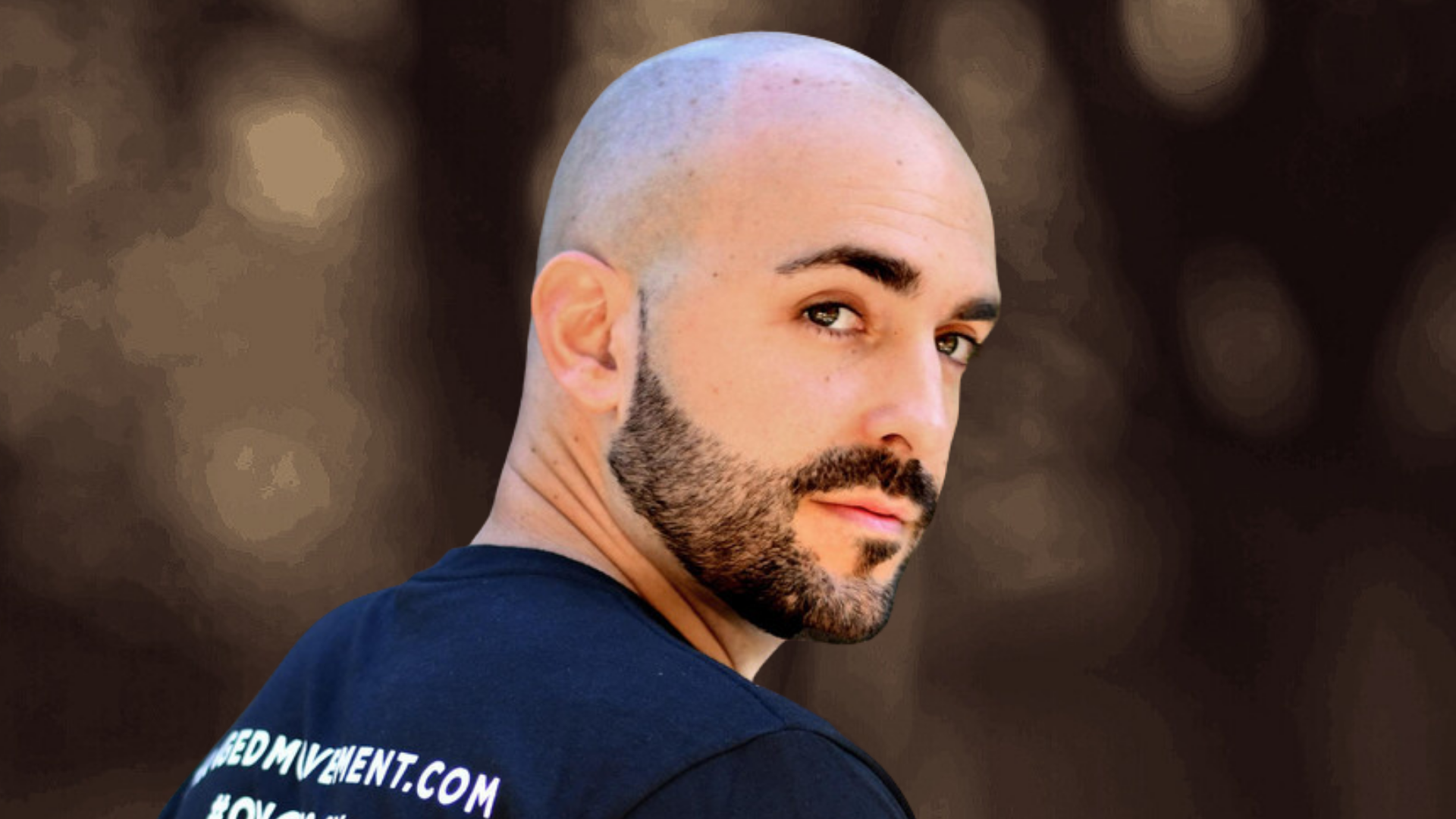
A historic judgement was handed down in Malta last week, with Matthew Grech found “not guilty” in what is believed to be the country’s first criminal trial for promoting “conversion practices”.
Maltese law forbids the advertisement of so-called “gay conversion practices”, and Matthew found himself in legal trouble after talking on a podcast about his own story of becoming a Christian and leaving behind a homosexual lifestyle.
He did not promote any conversion practices nor encourage anyone to participate in such practices. Still, he did say he disagreed with the term “conversion therapy” because his Christian faith teaches that sexuality is not an identity in itself.
Matthew believed the case was being driven by the Malta Gay Rights movement, which he says has targeted him for his beliefs and is hostile to Christian beliefs and teachings more broadly.
If convicted, Matthew would have faced five months in prison or a fine of 5,000 Euros, which would have been a severe attack on freedom of speech, freedom of religion, and the basic right of a person to share their honest life experiences.
Instead, Matthew has scored a huge win for freedom of speech and religion.
This case has highlighted the importance of precision in legislative drafting and the need to ensure that criminal law is applied proportionately and with clarity. Where laws are ambiguous, there is a risk of unintended chilling effects on lawful speech, professional dialogue, and religious expression. Legal certainty benefits everyone – regardless of viewpoint.
Matthew posted a video of his reaction to the verdict here.
HRLA welcomes the verdict, but it also raises concerns about similar laws in Australian states like Victoria, which include the type of ambiguity that landed Matthew Grech in court.
While the laws remain untested in court, the Victorian legislation excludes consent as a defence. It makes conversations between parents and children, and even prayer, unlawful if it is considered a “conversion practice”.
These laws also threaten fundamental freedoms and should be repealed.
Do you like this page?