
- OUR CASES
-
Join Us
- Current Issues
-
About
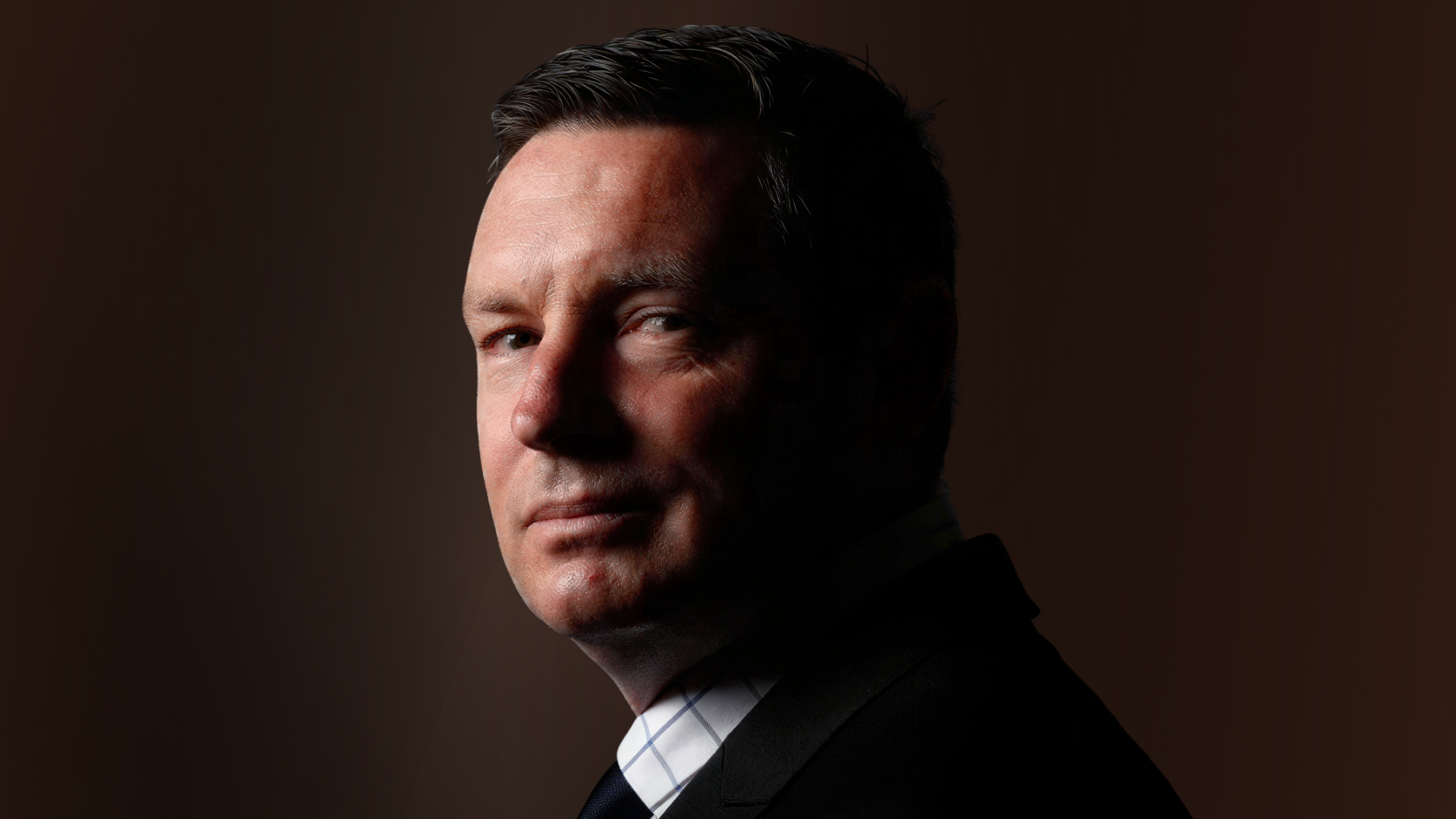
Lyle Shelton’s case shows process is the punishment
Six years ago, Lyle Shelton wrote a blog post about Drag Queen Storytime at a public library, saying that drag queens are dangerous role models for children and introduce them to harmful gender ideology. He is still in court.
On February 27, 2026, a Queensland appeal tribunal handed down its decision in the latest round of proceedings. The appeal was allowed – but not because Shelton was found to have vilified anyone. The tribunal found that the original judge had used the wrong legal test entirely. In other words, the first decision was thrown out as a matter of law, and the case must now be argued again under a corrected approach.
What the original judge got wrong matters. He had reasoned that homophobic or transphobic reactions to Shelton’s posts were so outdated and extreme that they could be discounted. The appeal tribunal disagreed. That reasoning, it found, departed from how Queensland courts have said vilification law should work. According to the appeal tribunal, the correct question is simpler and broader: could an ordinary person reading the posts be incited to hatred, serious contempt or severe ridicule? That is a lower bar, and it is now the bar that will apply when the case is decided.
To be clear about what this decision does and does not say: there has been no final finding that Shelton committed vilification.
The tribunal has made no order for compensation, an apology, a retraction, or costs. His good-faith defence remains unresolved. The matter has been adjourned for further written submissionsHRLA represented Shelton at the hearing and continues to act for him.
The legal complexity here is real, and it illustrates exactly how uncertain and unpredictable this area of law has become.
When courts disagree on the right legal tests and the standards remain uncertain, it is unrealistic to expect that ordinary Australians – bloggers, journalists, pastors, advocates – can know in advance where the line is.
That uncertainty is not a neutral or acceptable feature of a well-functioning legal system. It is a serious defect. And it produces a predictable outcome: people stop speaking. Not because courts have ruled against them. Because the potential cost and duration of the process itself is prohibitive.
As Lyle warned: “Vilification law has become unpredictable – when tests and standards feel uncertain, Australians can't know where the line is, and free speech is chilled.”
Australia has no general statutory protection for freedom of speech. In the absence of robust legislative protection, the field is left to vague, inconsistently interpreted, and enforcement-driven vilification laws that bear no proportionate relationship to any genuine harm.
HRLA has consistently argued that the process in cases like this functions as a punishment in itself, regardless of the eventual outcome.
The financial cost of senior counsel (sometimes multiple), expert witnesses, and years of hearings is a burden that most Australians could not sustain. The practical effect is that speaking on contested social questions – about children, about sex, about religion – carries a legal risk that silences people long before any tribunal delivers a verdict.
This is not how a free society should work.
Lyle Shelton’s case continues. HRLA remains committed to defending him and to advocating for legal reform that would provide Australians with genuine and effective protection for free speech.
Do you like this page?