
- OUR CASES
-
Join Us
- Current Issues
-
About
HRLA warns Digital Duty of Care Bill threatens free speech
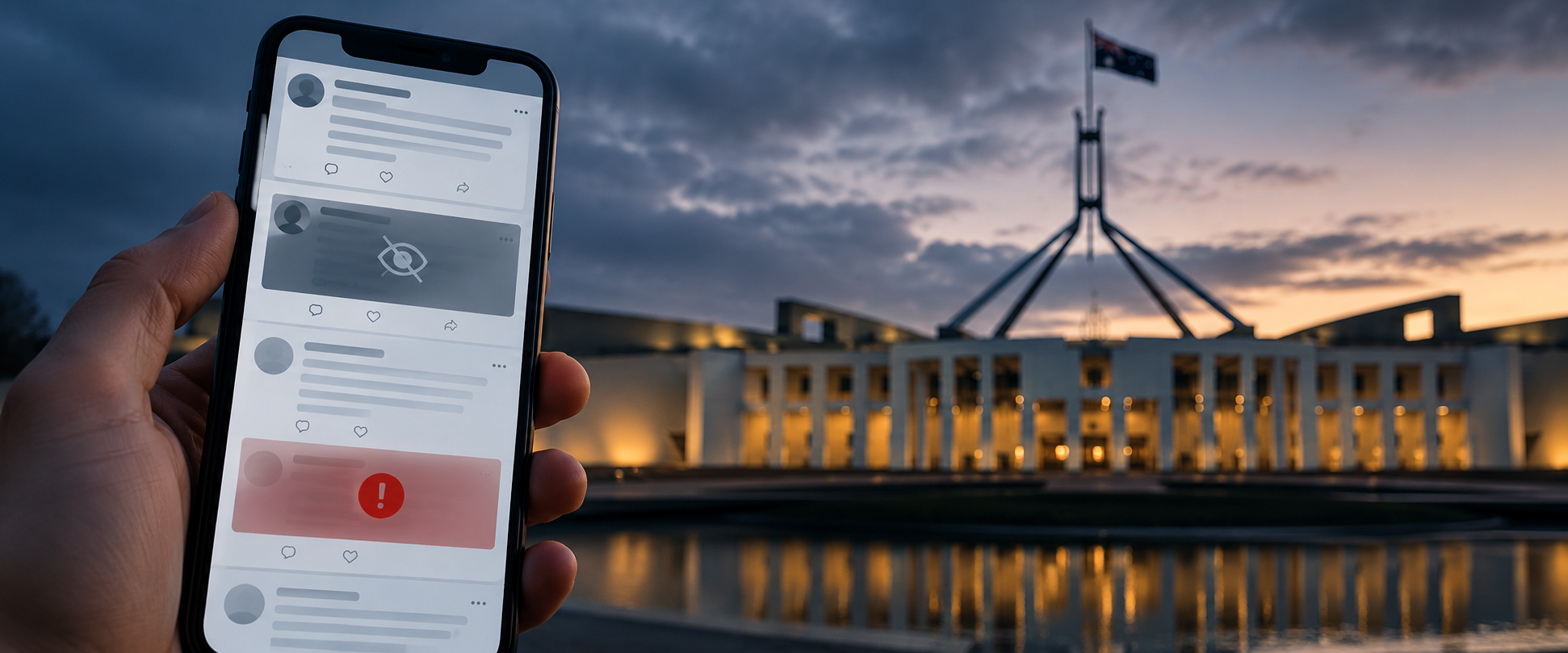
The Human Rights Law Alliance has warned that the Federal Government’s proposed Digital Duty of Care Bill could threaten freedom of speech by handing sweeping new powers to Ministers and the eSafety Commissioner.
HRLA made the warning in a submission this week on the exposure draft of the Online Safety Amendment (Digital Duty of Care) Bill 2026.
The Bill would require online services to ensure, so far as reasonably practicable, a “safe online environment”.
Some measures should be considered if they target clearly defined harms, including child sexual exploitation and grooming, explicit threats of violence, or material encouraging suicide and self-harm or terrorism.
But the Bill goes much further.
It contains broad concepts such as “harmful practices”, harassment and material that promotes “hostile attitudes towards women or gender equality”. HRLA warns that vague definitions like these could capture legitimate discussion of contested social issues, including Christian and religious beliefs.
The Bill would also allow the Minister to expand categories of regulated services and harmful material through legislative instruments.
HRLA argues that changes affecting the boundaries of lawful online speech should be made by Parliament, not left to ministerial determination.
Another major concern is the expansion of the eSafety Commissioner’s powers.
HRLA has direct experience of the dangers of regulatory overreach, having successfully acted in the Billboard Chris case; Elston v eSafety Commissioner. Its submission argues that the Commissioner should not be able to make binding remedial directions carrying enormous financial consequences without independent oversight.
Instead, the Commissioner should be required to seek binding orders from the Administrative Review Tribunal or Federal Court.
The proposed penalties also create a significant danger of over-censorship. Breaching the core digital duty of care could attract a civil penalty of 60,000 penalty units; more than $20 million at the current rate.
Faced with penalties of that magnitude, online platforms may simply remove controversial material rather than risk regulatory action. Lawful religious, political and conscience-based speech could become collateral damage if platforms consider them too controversial or risky.
HRLA does not oppose the concept of a digital duty of care. Where genuine harms are clearly and specifically defined, stronger protections – particularly for children – are worthy of consideration.
But online safety cannot come at the expense of fundamental freedoms.
Australians should be protected from genuine online harm while remaining free to debate, disagree and express religious beliefs without fear of government censorship.
The Bill needs substantial amendment before it proceeds.
Do you like this page?