
- OUR CASES
-
Join Us
- Current Issues
-
About
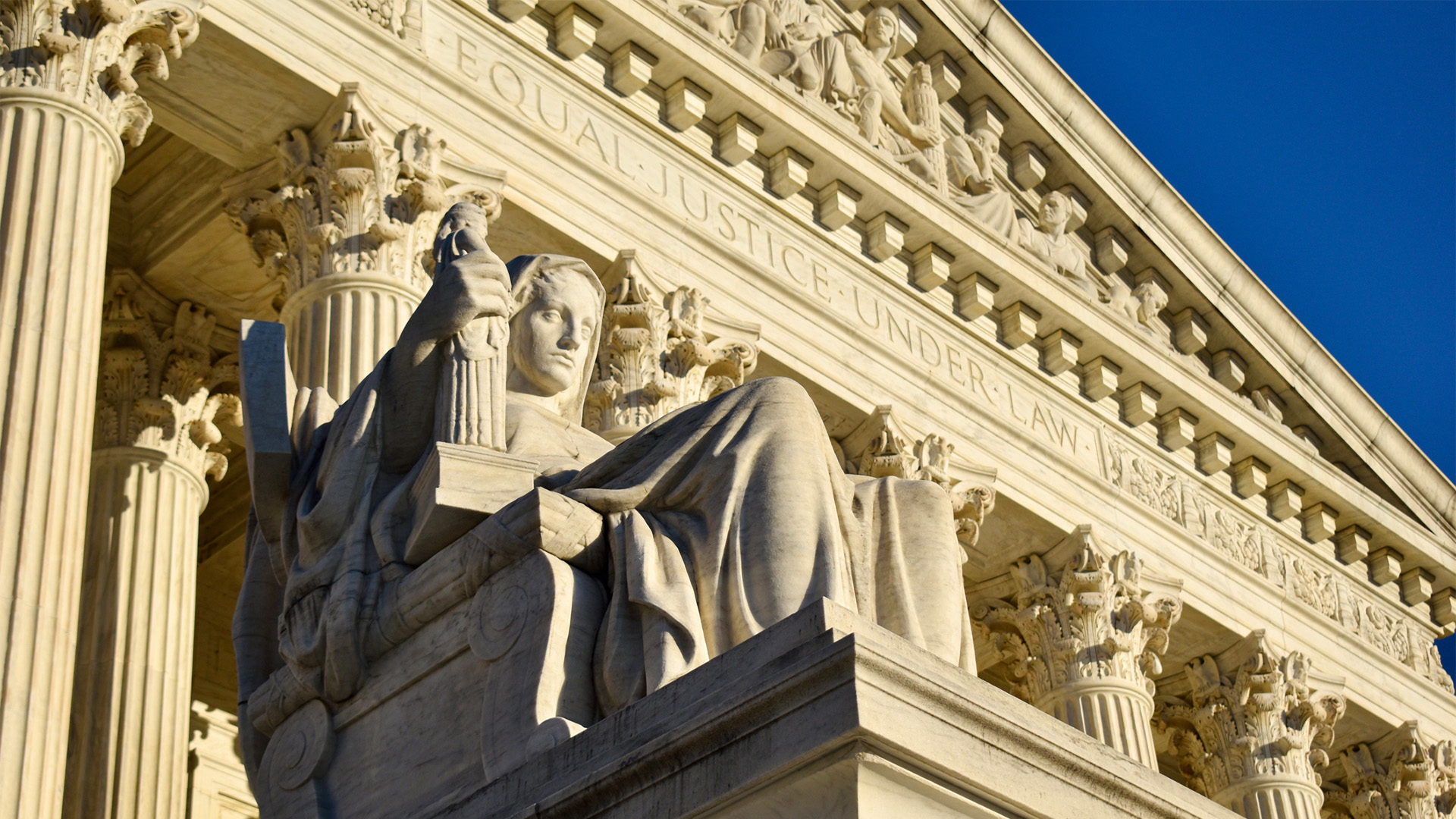
Freedom on the march in the USA: Important wins in the Supreme Court
In the last week of June, the Supreme Court of the United States sat in session and delivered a series of considerable wins for freedom of religion, parental rights, and the protection of children.
These have all come after the Court’s Skrmetti decision last month which protected children by upholding the Tennessee state ban on puberty blockers and other similar treatment for minors.
Firstly, in Mahmoud v Taylor, SCOTUS ruled that schools must allow parents to opt-out of classes and teaching that is contrary to their religious beliefs after a school district in Maryland refused to allow parents to have their child opt out of LGBT and radical gender theory in teaching materials from kindergarten on.
The Court wrote in its opinion that:
A classroom environment that is welcoming to all students is something to be commended, but such an environment cannot be achieved through hostility toward the religious beliefs of students and their parents.
Just as parents can have their child opt out of religious instruction, it is fundamental they can opt out of this sort of ideological indoctrination in schools.
Meanwhile, in the second important case, Medina v Planned Parenthood South Atlantic, the court upheld the South Carolina decision to direct Medicaid funding away from abortion providers including Planned Parenthood.
Citizens should not be forced to fund life-ending procedures like abortions, and States should be free to direct taxpayer funds according to own state laws and priorities.
The last of the SCOTUS decisions came in Free Speech Coalition v. Paxton which upheld the Texas state law requiring adults to provide proof-of-age to access adult websites.
While framed as an issue of free speech, this case was about a state’s right to protect children from the proven harms of pornography, a right the Court affirmed in its decision.
Finally, outside of the Supreme Court, a county court in the state of Virginia struck down a law banning so-called “conversion therapy” for minors. In Raymond v Virginia Department of Health Professions two Christian counsellors argued that the law prohibited the free exercise of religion by preventing them from practising in accordance with their beliefs about sexuality and gender. The Court agreed that the law violates religious freedoms and ruled that counsellors will be permitted to provide “talk therapy” on issues of sexuality or gender identity.
Compare that to Australia, where similar laws remain firmly in place in Victoria, NSW, and the ACT. The Victorian law prohibits even prayer or conversation if it is deemed to “suppress” a person’s gender identity or sexuality, and is so broad it potentially captures not only counsellors but also parents, priests, pastors and friends.
The laws are framed as “anti-harm,” yet they silence exactly the kind of nuanced, compassionate conversations that many young people seek.
These critical US cases demonstrate that freedom can be upheld when it is defended by people and organisations willing to stand up, just as HRLA does in Australia.
Do you like this page?