
- OUR CASES
-
Join Us
- Current Issues
-
About
Free speech on trial over ‘breastfeeding’ case in Queensland
A landmark case is now heading to the Queensland Civil and Administrative Tribunal (QCAT) that could determine the future of public discourse, especially concerning women’s rights, children’s health and freedom of expression.
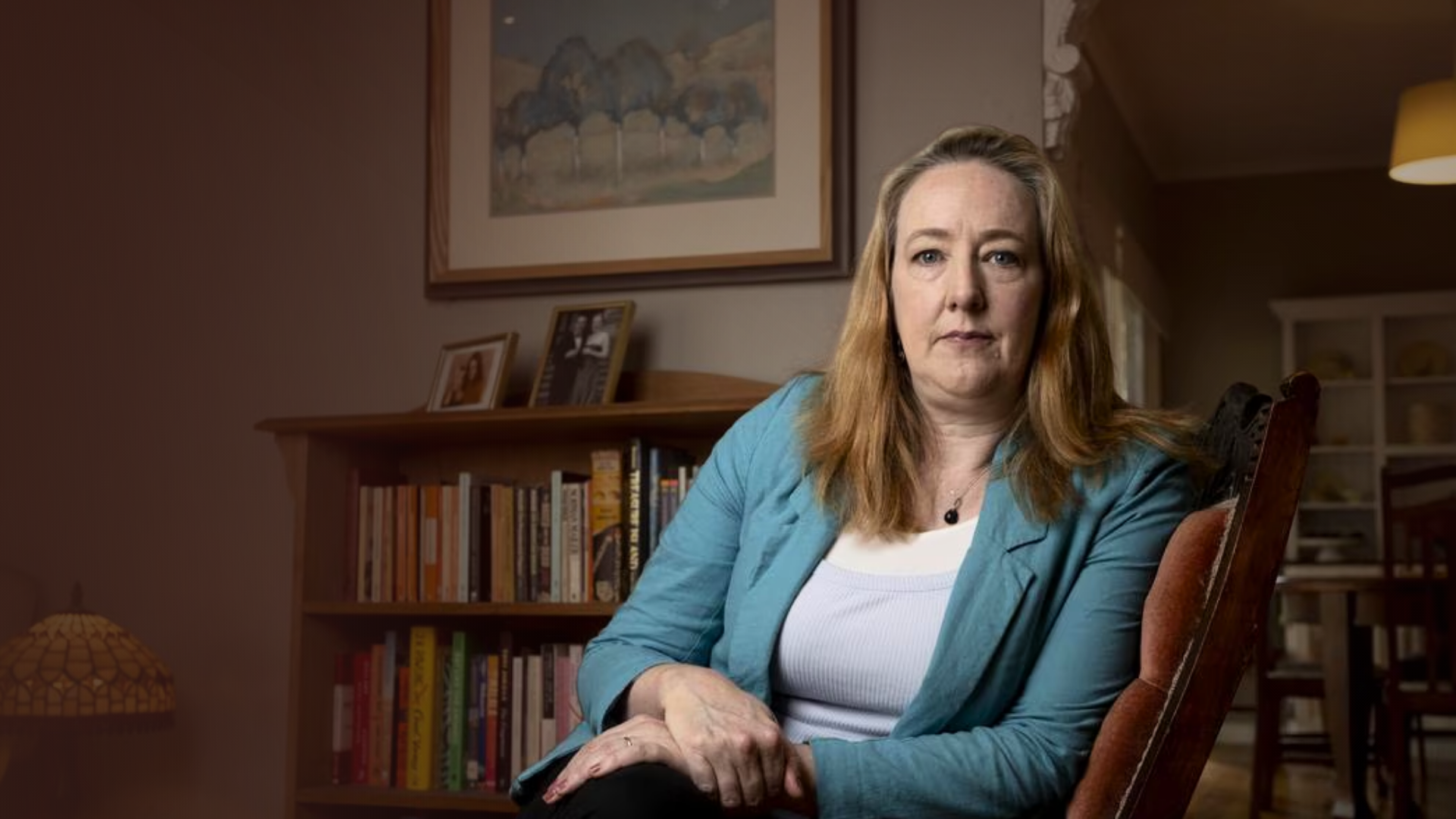
Former breastfeeding counsellor Jasmine Sussex is defending a vilification complaint brought by a transgender-identifying man under Queensland’s discrimination laws – not merely for her words, but for publicly raising concerns about the safety of induced “breastfeeding” by men.
According to coverage in The Australian, the dispute centres on whether Jasmine’s public commentary — grounded in years of experience supporting mothers and their babies — falls within the scope of protected speech or crosses into punishable conduct.
Speaking here to The Australian, Jasmine argued that her statements were made in defence of maternal rights and the safety of mother-baby relationships, not to vilify individuals. She has emphasised that her concerns are about infant welfare and the biological foundation of breastfeeding.
At HRLA, we see this case as far more than a personal dispute — it has significant implications for the freedom of Australians to speak about contested social topics, including sex, protection of women, and children’s wellbeing.
John Steenhof, Principal Lawyer at HRLA representing Jasmine, told The Australian:
It’s not going to be a case that’s going to come to a definitive position on what is right and wrong in those particular issues, but whether we’re allowed to speak about them.
It’s important for a good, robust, open political debate that people are able to speak without fear of the law being used to silence their opinion.
When laws designed to protect vulnerable groups are weaponised to silence professional opinion or criticism, the public square shrinks and the space for honest debate is lost.
Jasmine’s case connects directly to HRLA’s broader work defending Australians who face adverse action for speaking or acting in line with their convictions. Whether it’s professionals in the workplace, volunteers in community organisations, or individuals in public discourse, we are seeing patterns of censorship, social shame, and legal threat.
The outcome of the QCAT matter will matter not just to Jasmine Sussex but to every Australian who values the ability to express their opinions – respectfully, robustly and truthfully – on matters of public interest.
HRLA remains committed to representing those who stand for women’s and children’s rights, to preserving free speech, and to ensuring that no Australian is punished simply for speaking the truth or expressing a belief grounded in evidence and conscience.
Do you like this page?