
- OUR CASES
-
Join Us
- Current Issues
-
About
Free speech blow: NSW Supreme Court dismisses Kirralie Smith appeal
Kirralie Smith’s appeal was dismissed in the NSW Supreme Court last week, in a blow to free speech in this country.
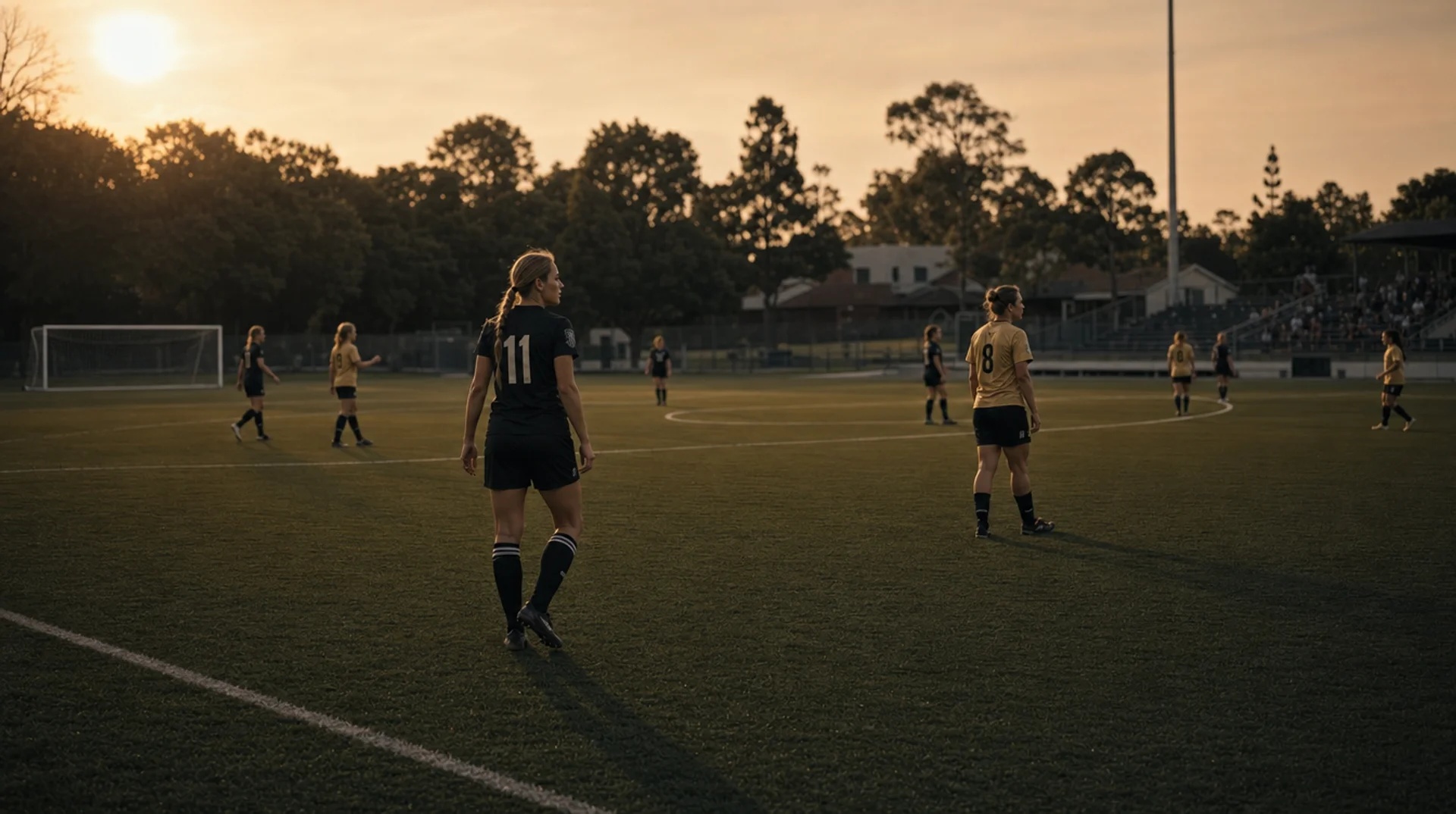
The court upheld the finding that she had unlawfully vilified two men who competed in a women’s soccer league, even while acknowledging that her conduct was directed at a genuine public interest. The court held that publishing publicly-available information about the men involved was not conducted in a manner it considered “reasonable”.
This shows why hate speech laws are so dangerous. Despite recognising that Kirralie was advocating for women’s safety in sports, the Supreme Court upheld the Local Court decision, prioritising ’reasonableness’ – as decided by a judge – over truth.
In other words, the finding turned on the proportionality of how she communicated the situation. She could discuss the issue. She could not illustrate it.
What this case reveals is that there is no longer an even playing field when it comes to advocating for contentious issues. It seems for the Supreme Court, traditional or conservative views on certain issues is not considered reasonable. Any criticism of the progressive “transgender” narrative will be considered “disproportionate”. As HRLA Principal Lawyer John Steenhof stated,
“The law is being interpreted to censor and silence anyone who speaks out against rainbow activists in public. The decision effectively means you can debate the issue in theory, but if you identify real-world examples to illustrate real world consequences, you are in the gun”.
What is even more concerning is that the incitement threshold for vilification does not require intent or even actual incitement. The Court asked only whether Kirralie’s comments were theoretically capable of “inciting hatred”. That Kirralie’s genuine intention was advocacy was accepted by the Court, but made no difference to their decision.
Successful vilification claims typically involve damages of $10,000 or less, but this decision awarded damages of nearly $100,000.
Along with the years of costly and stressful legal defence, the practical effect is to make advocacy on contested social questions financially restrictive. Advocating for the protection of women and children bears a risk that most people cannot afford.
HRLA applauds Kirralie for her strength and conviction in standing for truth.
From here, Kirralie’s only realistic option is an appeal to the High Court. The implied freedom of political communication in the Constitution should protect conservative views as robustly as progressive, and we stand with Kirralie in hoping that the High Court will recognise this and protect Kirralie’s free speech – and the free speech of all Australians.
Do you like this page?