
- OUR CASES
-
Join Us
- Current Issues
-
About
Federal court affirms artists’ right to decline work that violates their beliefs, following landmark judgment
A recent US district court decision has reaffirmed a core principle of a free society: no one should be forced to use their creative talents to promote messages that violate their faith.
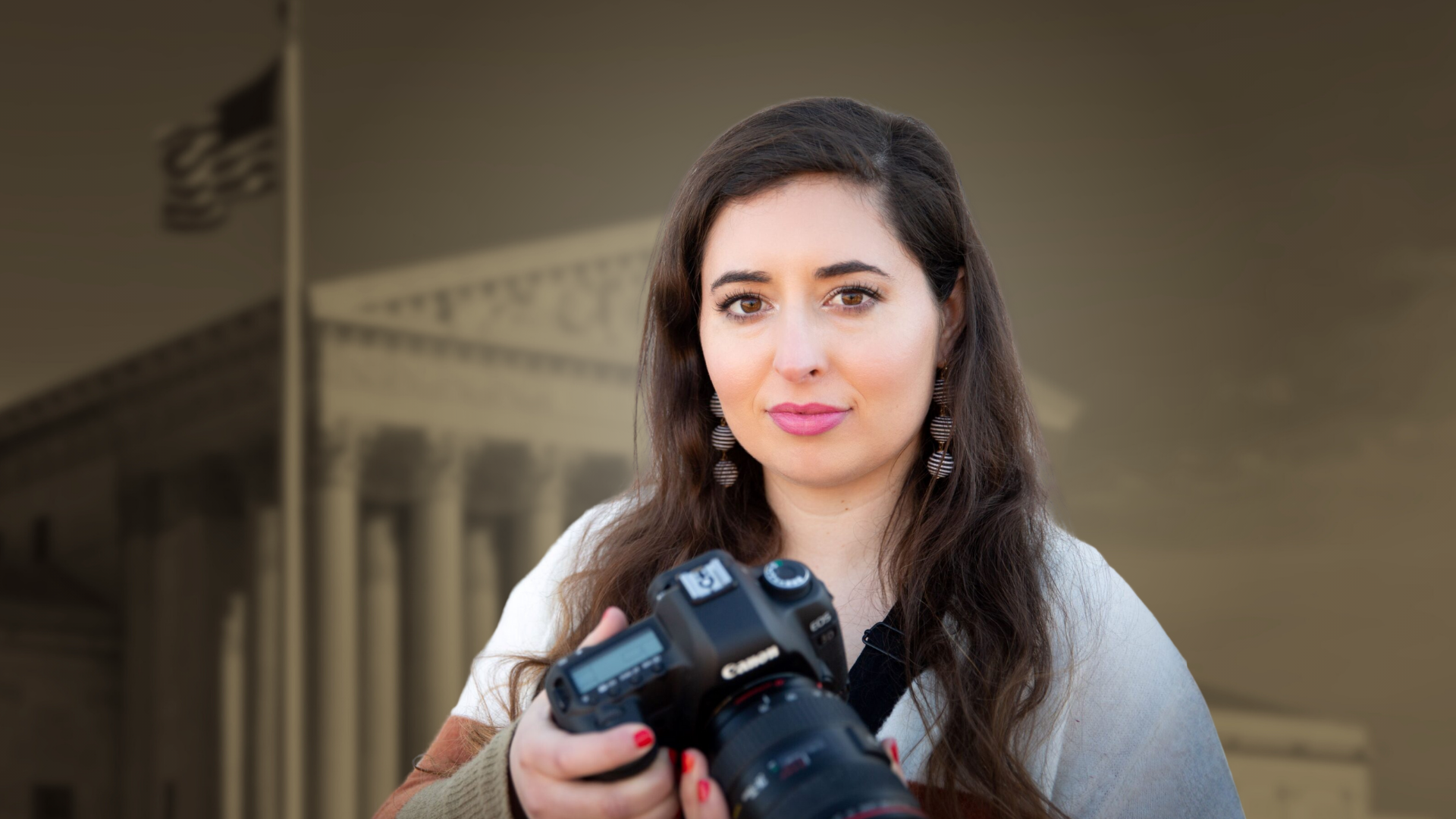
This month, the District Court for the Western District of Kentucky ruled that the City of Louisville violated the First Amendment rights of Christian photographer Chelsey Nelson by prohibiting her from expressing her Christian views of marriage on her website. The law also threatened to compel her to affirm a view of marriage she does not agree with.
The decision followed the Supreme Court’s judgment in 303 Creative v Elenis (2023), which held that creative professionals cannot be forced to create works that violate their religious beliefs.
With help from Alliance Defending Freedom (ADF), Chelsey challenged a local law that would have required her to photograph same-sex weddings.
For years, the case wound its way through appeals and procedural hurdles. Along the way, the US Supreme Court handed down the landmark decision in 303 Creative, a similar case about a graphic and website artist in Colorado.
Following that precedent, the district court ruled that Louisville’s actions violated Chelsey’s freedom of speech and religion, holding the city accountable and ordering nominal damages for trying to silence her and compel speech against her conscience.
Chelsey’s win is a powerful example of how strategic litigation can secure lasting protection for people of faith.
It ensures that artists, photographers, designers, and other creative professionals can work freely without fear of government punishment simply for living according to their beliefs about marriage.
Although this case was in the United States, the principle is universal. HRLA has defended Australians facing similar pressures, including a Christian photographer in Western Australia who sought the freedom to work in line with his faith.
His courage, like Chelsey’s, highlights why Australia must remain vigilant in protecting freedom of belief and expression.
At HRLA, we continue to stand with Australians who find themselves in these situations: creative professionals, teachers, doctors, and everyday believers, who simply want to live and work faithfully without fear of penalty.
Chelsey’s win is a hopeful sign that with courage, principle, and the right legal defence, freedom can prevail.
If you believe these freedoms are worth defending, support HRLA’s work today.
Do you like this page?