
- OUR CASES
-
Join Us
- Current Issues
-
About
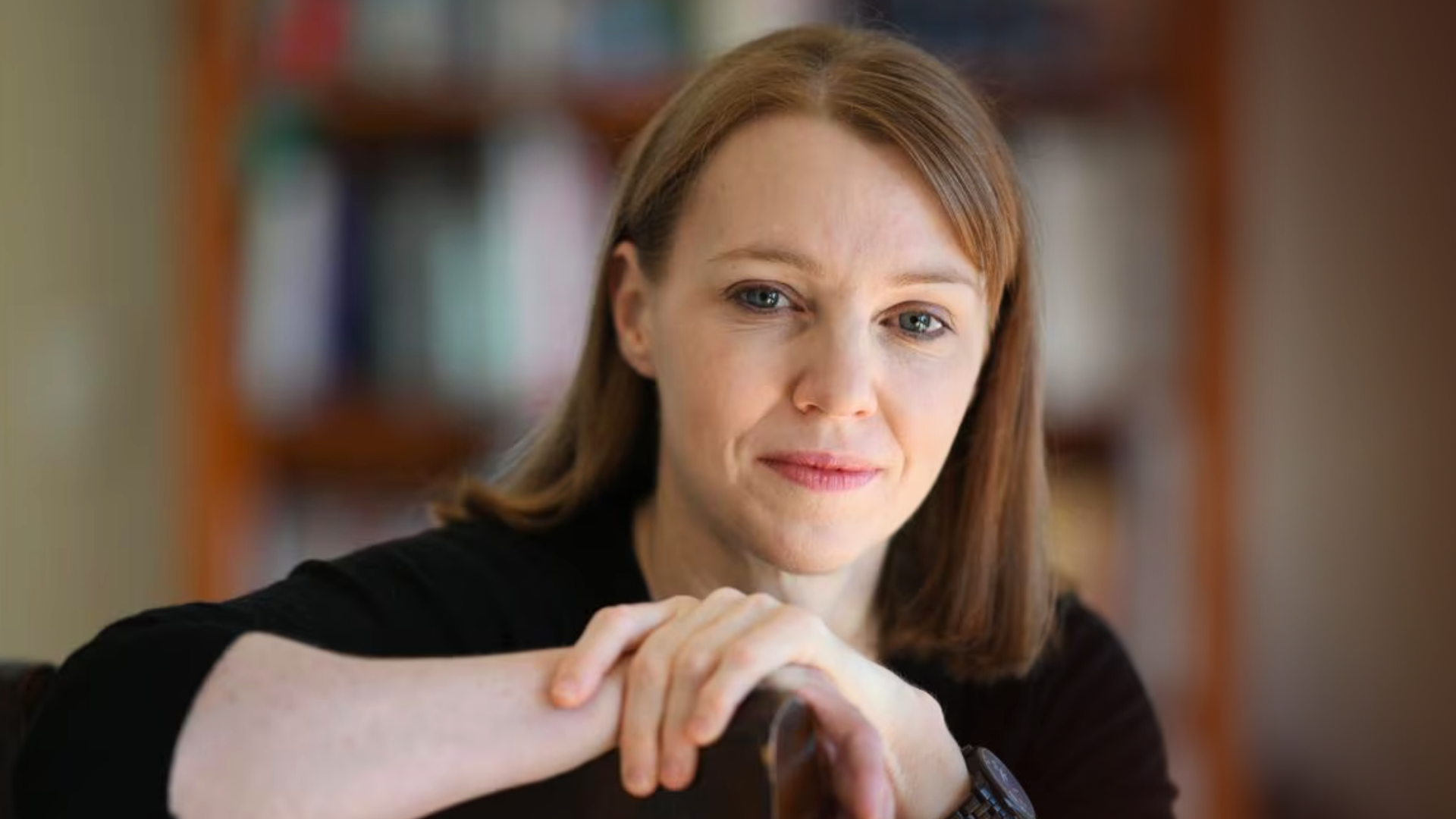
Dr Jillian Spencer’s case and the state of free speech in Australia
Dr Jillian Spencer was suspended from the Queensland Children’s Hospital in April 2023, for publicly arguing, on clinical grounds, that puberty blockers and cross-sex hormones should be delayed until adulthood. More than three years later, every disciplinary proceeding against her has been discontinued.
In a statement issued on July 17 as part of the agreement, Children’s Health Queensland acknowledged that Spencer’s concerns “were grounded in her training and background as an experienced child and adolescent psychiatrist” and that these are “matters of legitimate professional and public debate” in which “clinicians play an important role in raising concerns about patient safety and clinical practice”.
Spencer expressed her relief at the outcome: “It’s a victory that makes it very clear I never did anything wrong by speaking out and trying to protect children from harmful interventions,” she told the Sydney Morning Herald.
But she drew a broader lesson from her own case.
“What this says is doctors and the public should not be silenced and should not be punished for raising concerns about medical intervention, the use of puberty blockers, and cross-sex hormones.”
The Australian Health Practitioner Regulation Agency’s investigation into Spencer’s social media posts has now closed and she has been cleared to practise.
What those three years cost – in income, professional standing, and the silence of colleagues who watched and said nothing – does not appear in the settlement statement.
This is the chilling effect in operation. It runs before any hearing, before any finding, and long before any vindication. Every clinician who saw Spencer’s suspension and chose not to speak publicly paid a cost that will never be counted.
The same dynamic runs through HRLA’s free speech caseload.
Lyle Shelton spent more than three years defending a vilification complaint over a 2020 blog post criticising a drag queen storytime event at a Brisbane public library. The Queensland Civil and Administrative Tribunal found his comments did not amount to vilification – a principle that remains worth defending as that litigation continues.
Jasmine Sussex is now before QCAT defending a complaint for publicly raising concerns about the safety of induced “breastfeeding” by men.
As HRLA’s principal lawyer John Steenhof said when the case was filed: “It’s important for a good, robust, open political debate that people are able to speak without fear of the law being used to silence their opinion.”
What unites these cases is not their subject matter. It is the mechanism.
A psychiatrist, a community advocate, a former breastfeeding counsellor – all have had years of legal process brought against them for participating in contested public debate. Whether any of them ultimately prevails in court, the process itself has already extracted its toll.
That is not how a free society should work.
Do you like this page?