
- OUR CASES
-
Join Us
- Current Issues
-
About
A permit to pray at home: an American warning for Australia
Freedom of religion faces pressure from different sources, and its not always targeted hostility against people of faith.
It can be stifled by bureaucratic pressure and zoning regulations, as a Jewish man in Cleveland, Ohio has discovered.
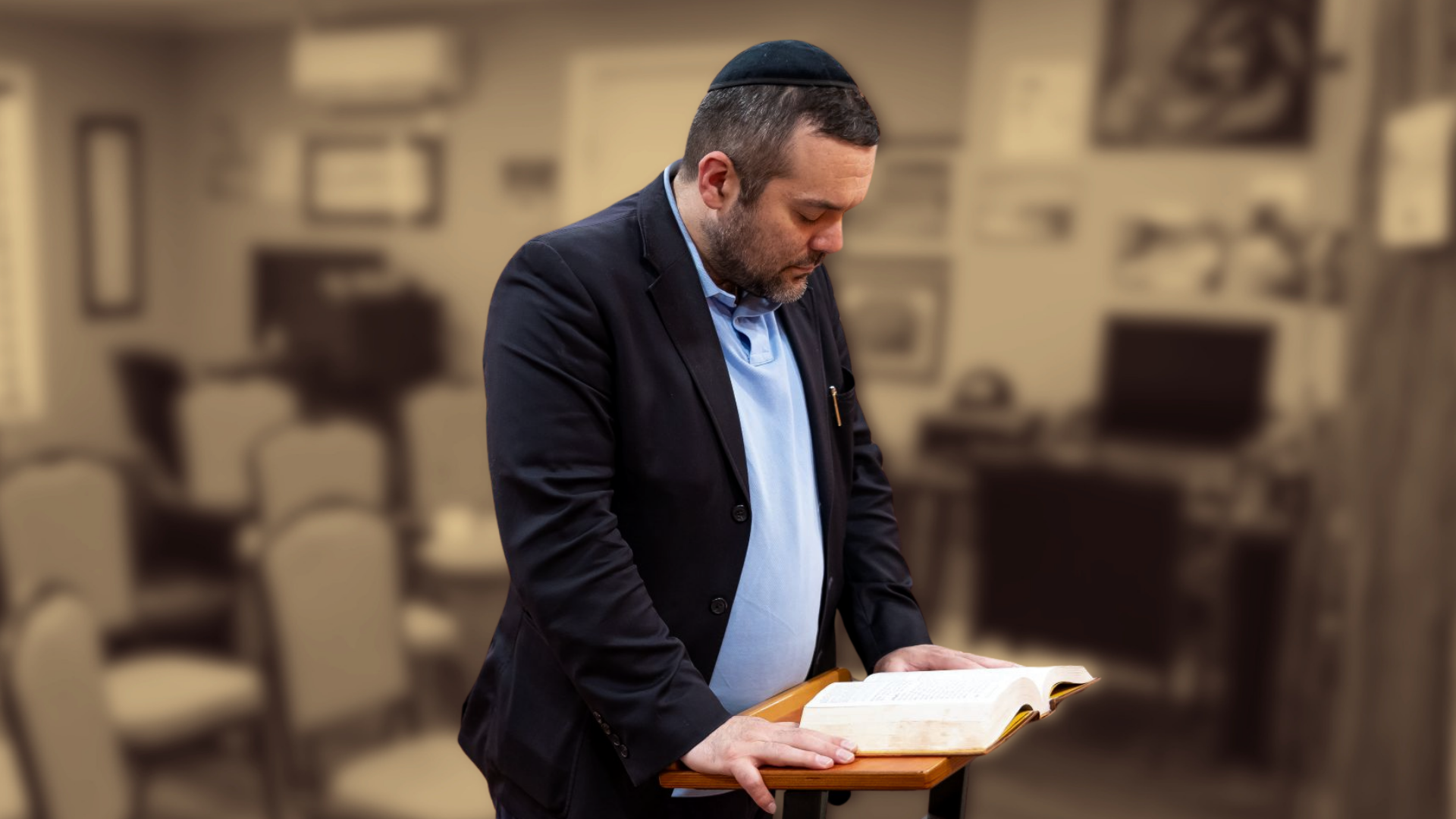
In January 2021, Daniel Grand emailed about a dozen friends, inviting them to pray together in his home in University Heights, a suburb of Cleveland. Before the first gathering could take place, the city ordered him to stop.
Grand is an Orthodox Jew. He prays three times a day, and the most sacred forms of Jewish communal worship require a minyan; the quorum of 10 men.
When city officials learned of his invitation, they issued a cease-and-desist letter classifying his home as a “place of religious assembly” and demanding he obtain a special use permit before any minyan convened.
Grand applied for the permit, then withdrew the application. Obtaining it would have required him to convert his home into a house of worship, at which point the same zoning code would prohibit him and his family from living there.
To pray with friends at home, he would first have to stop living in it.
The pressure from the city did not stop at zoning.
According to the brief filed on his behalf, city officials directed police to monitor his home, encouraged neighbours to lodge complaints, issued property violations, withheld his certificate of occupancy and tax abatements, and stopped collecting his rubbish.
Grand sued University Heights in 2022, arguing the city had violated his free speech and free exercise rights. A federal court dismissed the case in 2024. Not on the merits, but on the ground that he had brought it too early, having failed to exhaust the city's permit-appeal process.
The Sixth Circuit Court of Appeals upheld that dismissal, despite a United States Department of Justice brief supporting Grand. In February 2026, he petitioned the Supreme Court.
The Alliance Defending Freedom is assisting Grand’s appeal.
His lawyers argue that being forced to seek a permit to pray in his own home is itself an injury, and that no resident should have to complete a hostile permit process before a court will hear the claim.
This kind of pressure is not confined to America.
Christians in Australia have faced similar situations, including cease-and-desist notices over home churches and private Bible study groups.
Zoning laws may not be an obvious instrument of religious restriction. But when a council can classify a small group of friends praying in a living room as “religious activities” that can only occur at place of worship, the freedom to gather and believe is left to the discretion of a planning officer.
A small gathering of friends praying is not a prohibited “religious activity” just because it’s at a private residence.
These cases demonstrate the effects of over-regulation and a growing bureaucracy. Freedom of religion can’t be taken for granted when it faces pressure from unlikely sources at all levels of government.
Do you like this page?